September 15, 2026
Embarking on a journey to update your home represents an exciting endeavor that enhances daily comfort and elevates functional efficiency throughout your living space. Among the various personal spaces within a residential property, few areas experience as much heavy daily usage as the main washroom facilities. Upgrading these essential spaces requires careful consideration of structural elements, plumbing configurations, mechanical ventilation systems, and layout ergonomics to ensure lasting results. Understanding key concepts behind successful bathroom renovations allows property owners to navigate the entire process with clarity and achieve superior outcomes for their residential property.
Modern residential upgrades demand a thoughtful balance between aesthetic appeal and long-term technical durability. When property owners take the necessary time to learn about moisture protection, ventilation requirements, spatial design, and fixture selection, they position themselves to make well-informed decisions at every single stage of development. Preparing for detailed bathroom renovations involves looking beyond surface finishes to comprehend the underlying structural and mechanical components that drive continuous performance. Exploring these foundational insights ensures a seamless transformation that serves your household exceptionally well for many years to come.
1. Careful Planning Prevents Structural Project Delays
Successful physical transformations begin long before demolition tools touch drywall or flooring materials. Thorough preliminary preparation involves evaluating existing plumbing locations, electrical circuit capacities, and subfloor conditions to identify potential challenges early in the process. Uncovering hidden structural deterioration or outdated piping during mid-construction can slow down progress significantly if unexpected challenges arise. Taking time to establish detailed physical measurements, architectural drafts, and material selections ahead of time creates a clear, dependable roadmap for execution.
In addition to structural evaluations, preliminary planning allows homeowners to establish clear project schedules for material procurement and installation phases. Custom glass enclosures, specialty tiling, and unique vanity units frequently require extended lead times from manufacturers across the building industry. By finalizing every design specification prior to starting physical tear-out work, you avoid extended downtime and ensure that installation teams work efficiently without unnecessary interruptions or lengthy delays.
2. Proper Ventilation Prevents Indoor Moisture Damage
High humidity levels pose a constant challenge to the structural integrity and indoor air quality within enclosed washing environments. Bathrooms generate substantial amounts of airborne moisture through hot showers and baths, which can accumulate on walls, ceilings, and cabinetry if not vented properly. Exhaust ventilation systems play a vital role in extracting damp air directly outside the building envelope, preventing persistent condensation that leads to paint peeling and structural decay over time.
Selecting an appropriately rated ventilation fan involves matching the device air displacement volume to the physical dimensions of the specific room. Mechanical exhaust systems should operate during every bathing session and continue running for several minutes afterward to clear lingering moisture completely from the air. Installing automated humidity sensors further ensures that fans activate automatically when steam reaches specific threshold levels, safeguarding interior wall surfaces against moisture accumulation and structural wear.
3. Adequate Waterproofing Protects Subfloor Framing Materials
Water intrusion represents one of the most destructive forces impacting residential building structures over time. Surfaces exposed to direct water spray, such as shower enclosures and bathtub surrounds, demand complete impermeable barriers behind finished tile layers. Modern construction practices rely on advanced liquid-applied membranes, sheet membranes, and waterproof backer boards to contain moisture completely within designated drainage areas.
Relying solely on ceramic tile and standard grout to block water is a common misconception, as grout remains porous and can allow moisture to seep through over time. Without continuous waterproofing membranes beneath tiled surfaces, trapped water slowly damages underlying wooden subflooring, structural joists, and surrounding wall studs. Executing flawless waterproof barriers during bathroom renovations guarantees long-term durability and protects the structural core of your residential home against hidden decay.
4. Strategic Lighting Improves Daily Space Functionality
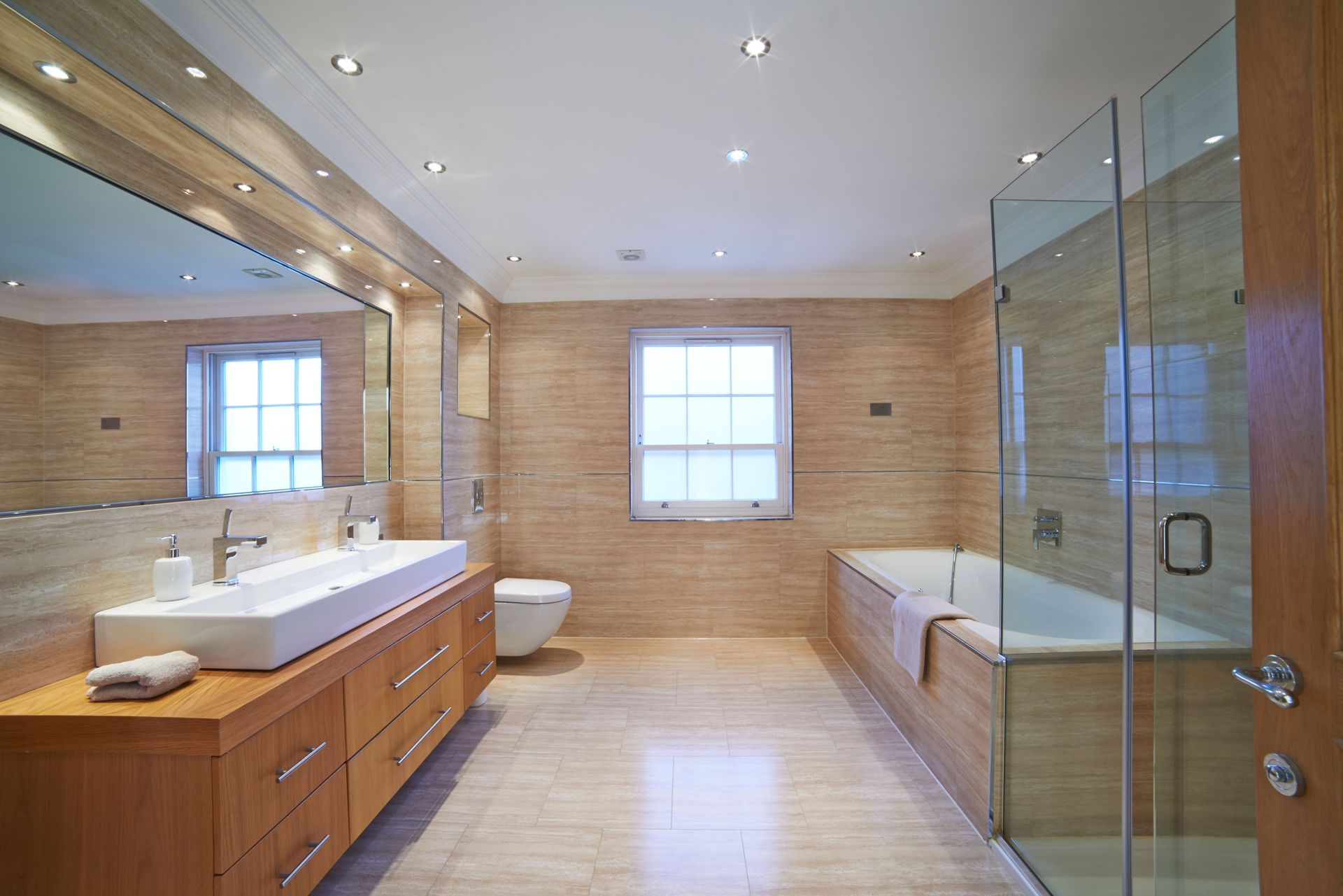
Effective lighting design involves combining layered illumination sources rather than relying on a single overhead fixture. Washing spaces require targeted task lighting around mirrors for personal grooming, ambient lighting for general room visibility, and accent lighting to highlight architectural features. Proper placement of vanity wall sconces eliminates harsh shadows across the face, creating an optimal environment for daily grooming routines throughout the year.
Incorporating wet-rated recessed light fixtures above shower stalls and bathtubs ensures adequate visibility while meeting strict safety standards. Utilizing dimmer control switches allows homeowners to adjust light intensity easily based on time of day or personal preference. Modern light-emitting diode technology offers exceptional energy efficiency, clear color rendering, and extended operational lifespan, making proper lighting design an essential element of modern bathroom renovations.
5. Thoughtful Layouts Maximize Available Floor Area
Efficient spatial layout directly impacts how comfortably occupants move through and utilize a room during daily routines. Optimizing floor space requires maintaining proper clearance zones around toilets, vanities, shower doors, and entrance doorways. Moving heavy plumbing lines can complicate project schedules, so keeping existing plumbing locations intact often allows for maximum space optimization while preserving resources for upgraded material finishes across the room.
Incorporating recessed storage niches, floating vanities, and sliding pocket doors helps free up valuable floor area in compact room configurations. Clear glass shower enclosures visually expand room boundaries by maintaining unobstructed sightlines across the entire space. Designing a layout that prioritizes comfortable traffic flow transforms even modest footprints into highly functional and open environments for daily family use.
6. Consumer Trends Highlight Popular Remodeling Priorities
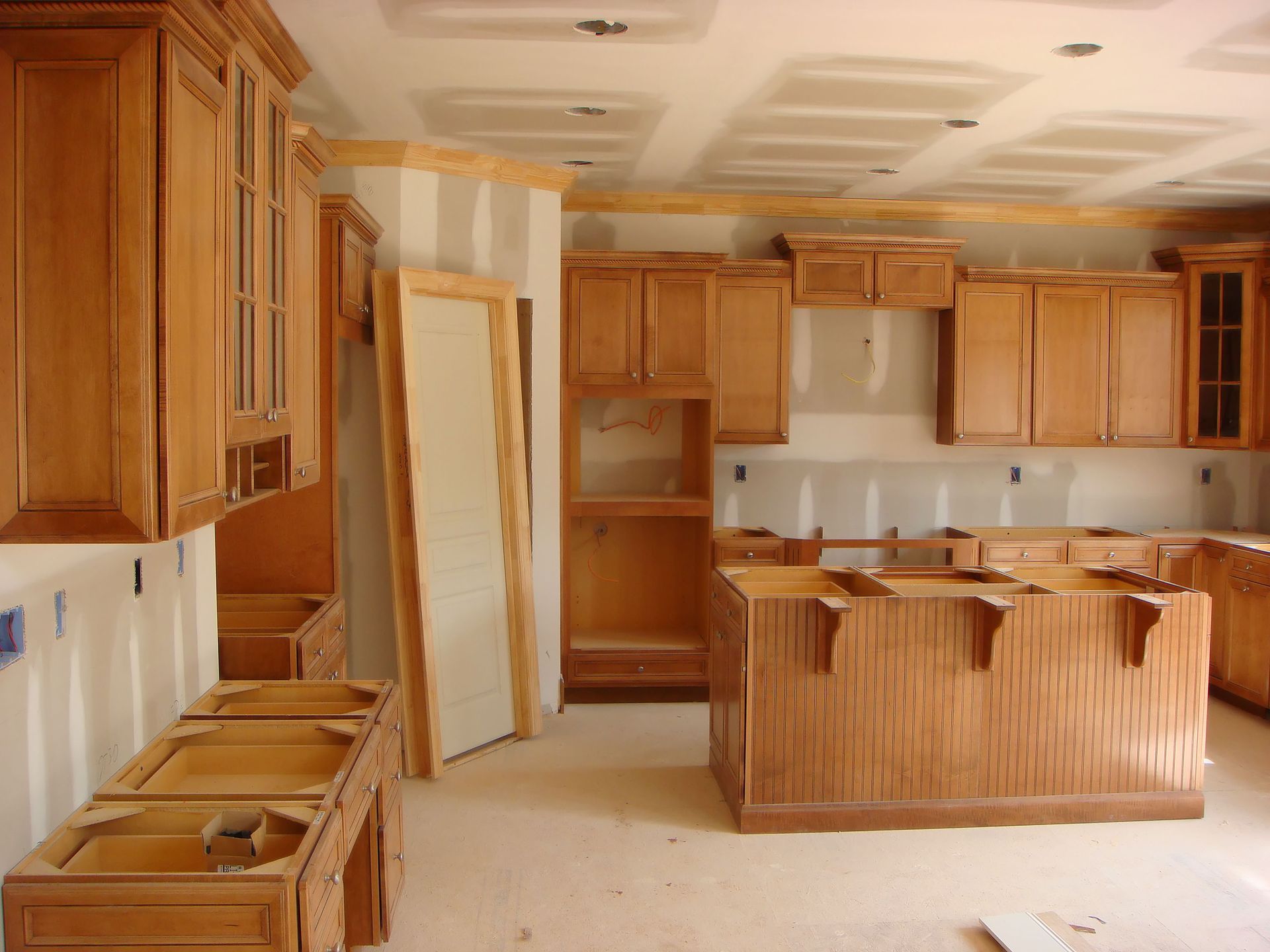
Understanding broader industry patterns provides valuable context regarding how property owners prioritize various home improvement projects over time. According to the NAHB, bathroom updates and kitchen updates remain the two most frequently requested job categories among property owners hiring general remodeling contractors. This widespread popularity underscores how essential functional washing and cooking spaces remain to modern residential living environments.
Homeowners consistently focus on upgrading these high-use areas because they deliver immediate improvements to daily comfort and physical convenience throughout the household. Focusing efforts on functional upgrades, such as walk-in showers, double vanities, and durable ceramic surfaces, aligns your home with widely appreciated residential standards. Executing high-quality bathroom renovations ensures that your living space remains modern, efficient, and aligned with contemporary lifestyle preferences.
7. Quality Fixtures Improve Overall Room Usability
Selecting high-performing plumbing fixtures dramatically elevates daily comfort while reducing overall water consumption throughout the household. Modern low-flow toilets, aerated faucets, and thermostatic shower valves deliver powerful performance while conserving valuable natural resources. Premium solid brass fixture construction resists corrosion, mineral buildup, and physical wear, ensuring smooth mechanical operation over many years of continuous use.
Beyond mechanical performance, fixture finishes contribute significantly to the overall aesthetic coherence of the space. Coordinating finishes across faucets, showerheads, cabinet hardware, and towel bars creates a polished, cohesive visual appearance throughout the room. Choosing durable fixtures backed by solid engineering minimizes maintenance requirements and guarantees that your updated space functions flawlessly every single day.
Executing successful bathroom renovations requires balancing detailed preliminary planning, strict moisture protection, efficient spatial design, and quality fixture selection. By understanding these core principles, property owners can approach their project with complete confidence, knowing that every single decision contributes to long-term structural durability and functional comfort. Investing time in thoughtful design and expert craftsmanship transforms routine daily spaces into beautiful, functional retreats that serve your household exceptionally well.
If you are ready for a remarkable home transformation, contact us at Distinctive Creations Inc today. We will help you design and build a magnificent space tailored to your unique lifestyle needs.